

40th Óvár Scientific Day International Conference
November 12, 2025
"Green Deal and agriculture: sustainability or competitive advantage?”
Session Summaries
Agricultural and Bioengineering Session
With the support of HAS Agricultural and Bioengineering Scientific Committee
The session focuses on the sustainable development of agricultural technologies and supporting the objectives of the Green Deal. Key topics include precision crop production and livestock farming technologies, autonomous machines, artificial intelligence, digitalization, and the automation of food industry systems, that contribute to increased resource efficiency and improved food safety.
Várallyay Memorial Meeting and Soil Science Session
Generations for the Hungarian soil science
Agricultural Economics Session
With the support of HAS Agricultural Economics Scientific Committee
The impact of climate change on agricultural competitiveness in the light of the European Green Deal
The section was supported and organized by the Hungarian Academy of Sciences (MTA) Committee on Agricultural Economics. Prof. Dr. Judit Oláh, Chair of the Committee, presided over the section, with the assistance of Dr. Judit Hegyi, Vice-Chair. The program generated significant interest, with a steady attendance of 30–40 participants throughout the presentations. The section's presentations provided a comprehensive overview of active Hungarian research on sustainability across multiple dimensions of the food industry. The main pillars included food waste management, sustainable agricultural practices, innovative technologies (blockchain, P-graph), and consumer awareness. The emphasis was primarily on practical solutions and system-level approaches, which align with the support of the European Union's sustainability objectives. Among the 15 speakers were representatives from the Hungarian University of Agriculture and Life Sciences, Kodolányi János University, University of Veterinary Medicine, Mendel University in Brno, and the host institution.
Animal Breeding/Nutrition Session
With the support of HAS Animal Breeding Scientific Committee
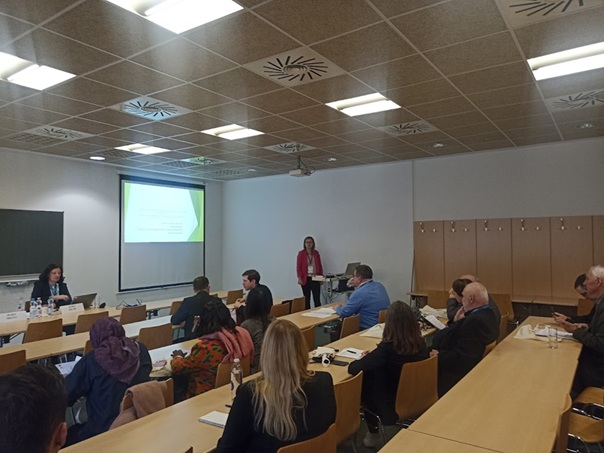
In the Animal Breeding / Nutrition section, 14 oral presentations were given in front of 35-40 participants and a further 9 posters were exhibited, the topics of which covered a very wide spectrum. Most of the research was carried out on the topic of poultry and pig breeding and nutrition, and the presentations on the milking robot and the automatic monitoring system developed for the analysis of animal behaviour were also accompanied by great interest. Interesting and current topics were also discussed in the field of veterinary science; moreover, senior researchers gave review presentations about genetic progress and the possibilities of using automated cytometry tools.
Aquaculture Session
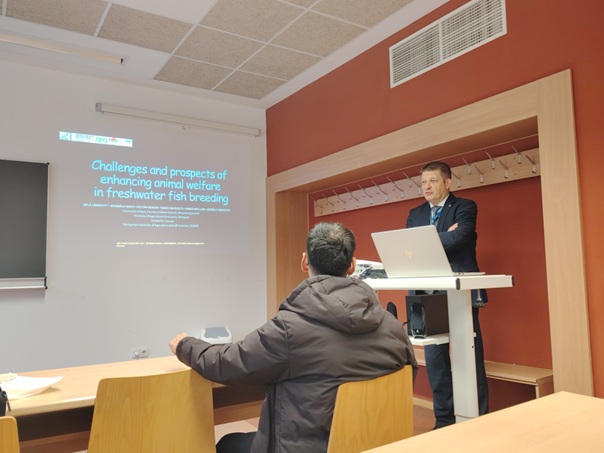
For the first time, a dedicated Aquaculture section was included as part of the 40th Óvár Scientific Day. During the course of the conference, researchers of both a junior and senior level presented the findings of their studies in the form of nine presentations and six posters. The agenda encompassed a range of forward-looking research domains, including animal welfare, enhancing the industry’s competitiveness, fish health, promoting sustainable production technologies, and advancements in fish genetics and genomics. Following the presentations, a series of productive roundtable discussions took place, during which potential areas for collaboration were identified.
Gábor Pulay Food Science Session
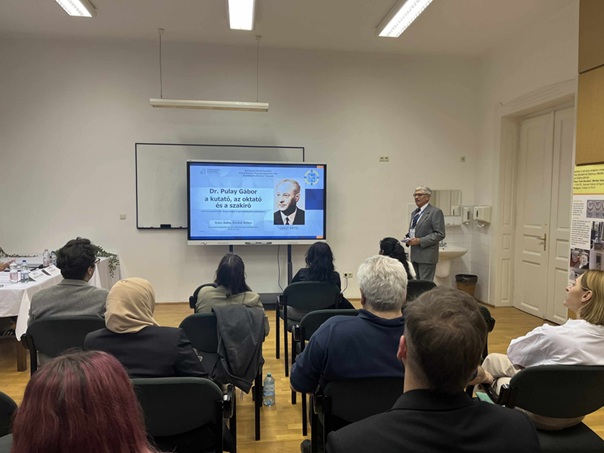
Within the framework of the Gábor Pulay Food Industry Section, Dr. Ádám Krász summarized the life and professional achievements of our Department’s founding professor. Afterwards, we listened to informative presentations on various areas of food quality and safety, such as the meat industry, dairy industry, and fruit processing industries. We also gained insight into several topics related to the development of functional foods. Overall, I believe the program ran smoothly. However, we would recommend appointing secretaries for each section, who would collect the presentations before the conference, upload them to the computers, and possibly load them between talks.
Digitalization in the Food Industry and Supply Chains Session
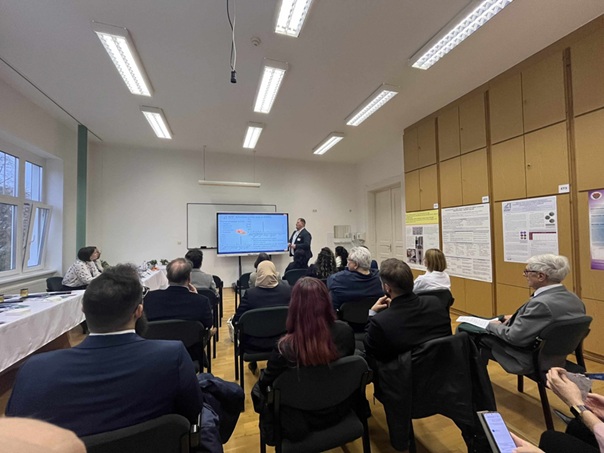
The section of the 40th Óvár Scientific Day International Conference entitled "Digitalization in the Food Chain and Food Industry, Supply Chains" provided a coherent picture of how the domestic and regional food supply chain is being transformed by digitalization, tracking and risk management tools. Chaired by Prof. László Ferenc Friedrich and co-chaired by Balázs Ásványi, the section discussed the following topics in a series of interrelated thematic blocks the medium-term contractual risks of grain logistics the current challenges of vegetable production, the lessons learned from alternative food initiatives "from wheat to bread," as well as the lessons learned from the 2025 foot-and-mouth disease (FMD) outbreak and the new challenges of zoonoses. The One Health-based epidemiological presentations clearly indicated that a competitive food industry and public health security cannot be separated from data-driven risk communication and rapid response logistics. The poster section provided a practical supplement to this (functional bakery product development, agricultural digitalization trends), pointing out that optimizing the "farm-to-market" route is both a technological and a supply chain management task. Several presentations in the program were directly related to the project entitled "Establishing a food logistics framework in the Carpathian Basin region for the development of a competitive food industry and a secure commercial toolkit that supports public health and Hungarian agriculture" (NFPF/2005/ 2020-ITM_SZERZ). These include development concepts integrating the REL/KREL and CAP strategies; possible producer strategies in agrifood product chains; good practices in short supply chains in Central Europe; RFID-based tracking and shelf life control; the rural operating model for logistics resource sharing; the market access concept for social economy products; and the food chain effects of vaccinations. Together, these works outlined the main components of a functional framework. The message of the section is practical: the Carpathian Basin food logistics framework is not merely infrastructure development, but a data-driven ecosystem in which short supply chains, digital tracking, and risk management set new minimums for competitiveness and safety. The section chairs also highlighted the importance of customer-focused production and data collection, as well as institutional cooperation in research.
Plant, Water and Environmental Sciences Session
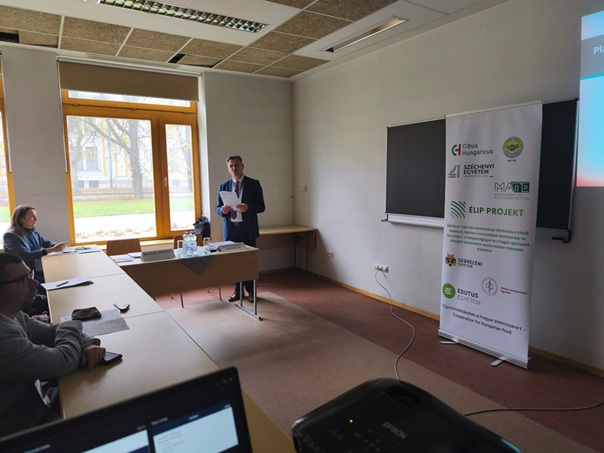
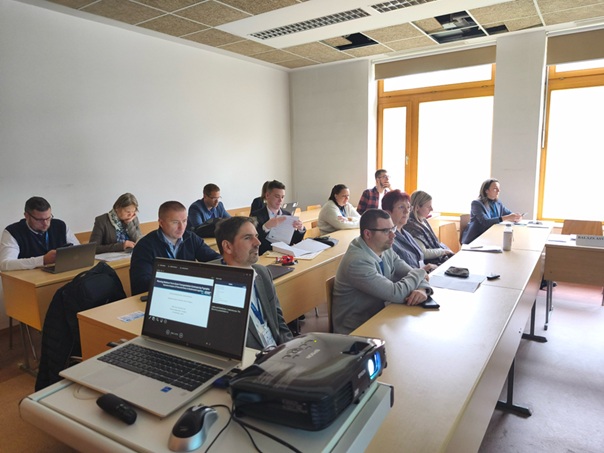
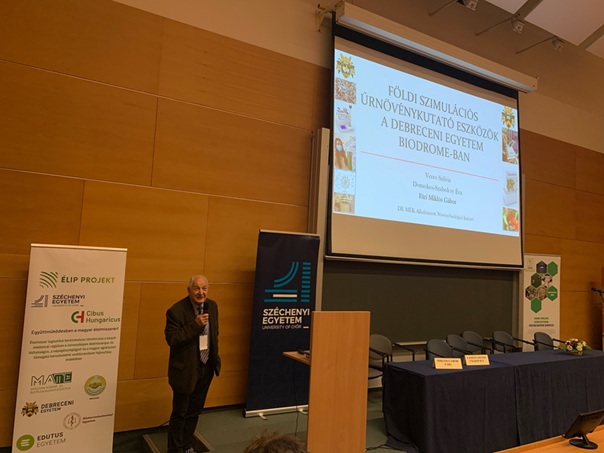
The session's program presented current research topics in plant, water, and environmental sciences, with a special focus on new solutions for nitrogen supply, including the use of nano-nitrogen fertilizers. Several presentations dealt with the role of plant physiological indicators in crop estimation and the effectiveness of biostimulants, such as chitosan nanoparticles, under stress conditions. Another key topic was the use of green manure and other sustainable technologies to reduce the use of nitrogen fertilizers. The topics of the presentations included terrestrial simulation tools for space plant research, the study of bacterial diseases in celery, and the effects of climate change on arable crops. The plant physiological and soil respiration aspects of biomass from microalgae isolated from the soil were also discussed. The topics of the posters ranged widely: natural sources of growth regulators, the study of genetic changes associated with antimicrobial resistance in vineyards, and a comparative analysis of fungal communities in different grasslands. There were also presentations on cultivation technology research, e.g., the use of East Asian raspberry species in breeding and the exploration of stress responses in cherry varieties. Some poster presentations dealt with practical issues, such as the study of aeroponic cultivation of basil, the appearance of poppy root rot, or compost experiments in organic wheat cultivation. Several studies addressed irrigation efficiency and water management, as well as comparisons of grassland reclamation methods. The session provided a comprehensive overview of the latest scientific findings on the sustainable development of plant systems.
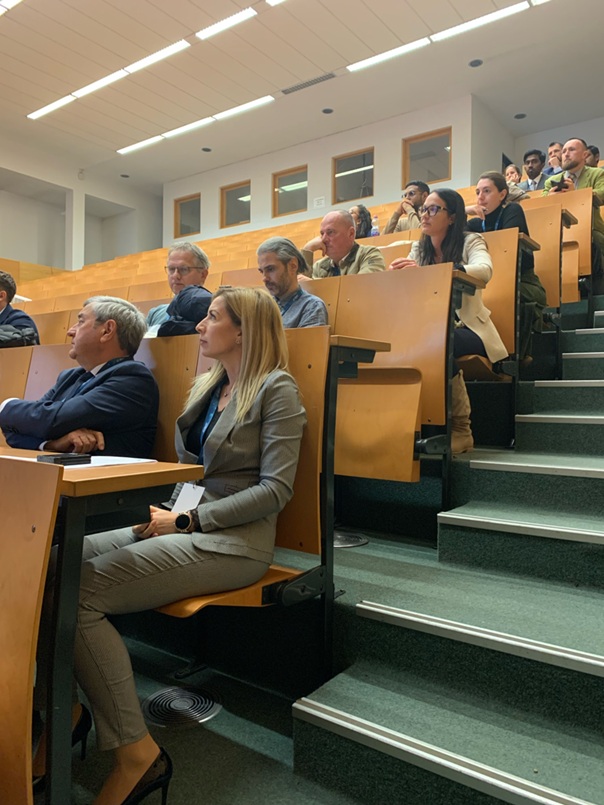
István Fekete Memorial Session (Game Management and Nature Conservation)
The session was multidisciplinary this year. Among the presentations were bird of prey protection, animal physiology, exotic animal health, zoonosis, pharmacology, agricultural digitization, animal husbandry and feeding topics. Many questions arose, which were answered by the speakers. The lectures were followed by comments and a meaningful, professional discussion. The diverse topics helped the participants to receive feedback on their topic from the perspective of researchers working in other fields
Transformation for Sustainable Nutrient Supply and Management (trans4num) Session
Nature-Based Solutions (NBS) such as bio-based fertilizers, improved agricultural practices and technologies, etc., have a huge potential to change intensive agricultural land use in Europe in a positive direction and beyond: achieving net zero environmental impact, while respecting water and food security and climate requirements. The aim of our session is to demonstrate the multi-faceted nature of NBS and its practical application. In addition to presenting the results of the EU Horizon project "Transformation for Sustainable Nutrient Supply and Management" (trans4num), we welcome speakers, presentations and poster presentations to show the potential of NBS to bring breakthroughs for farmers.
“AEDIH – Agricultural Digitalization in Farming” Session
The aim of this session is to disseminate and promote digitalization techniques, technical solutions and knowledge among agricultural entrepreneurs, advisors and service providers. Within the framework of the AEDIH project, we present comprehensive digitalization solutions – from planning (roadmap) and business plan development and knowledge, all the way to the so-called “test-before-invest” services (pre-purchase testing). We welcome the participation of farmers, advisors and service providers who have good practices and examples of digital development in their farms. During the session, interested participants will also have the opportunity to join the AEDIH program.